If you grew up in Bayelsa, you know these dishes by smell before you see them. If you moved to Yenagoa for work or study, you may have heard the names and never been sure what you were ordering. This guide is for both: a plain explanation of the best-known Niger Delta and Ijaw dishes, how they are usually eaten, and how to ask for what you actually want.
One caution before we start. Home cooking varies from one community and one kitchen to the next, and the same dish can go by different names and spellings. What follows describes the dishes as commonly explained; a restaurant's version may differ, and that is normal.
Why the food here tastes the way it does
Bayelsa sits in the Niger Delta, a region of rivers, creeks and mangrove swamp. The Ijaw people are the majority in the Yenagoa area. Food follows the land: fresh and smoked fish, crab, periwinkles and prawns, plantain and yam, palm oil and palm fruit, and a careful hand with pepper and local leaves and seeds. Much of it is cooked as soups and pottages that are rich without being heavy on ingredients you would not recognise.
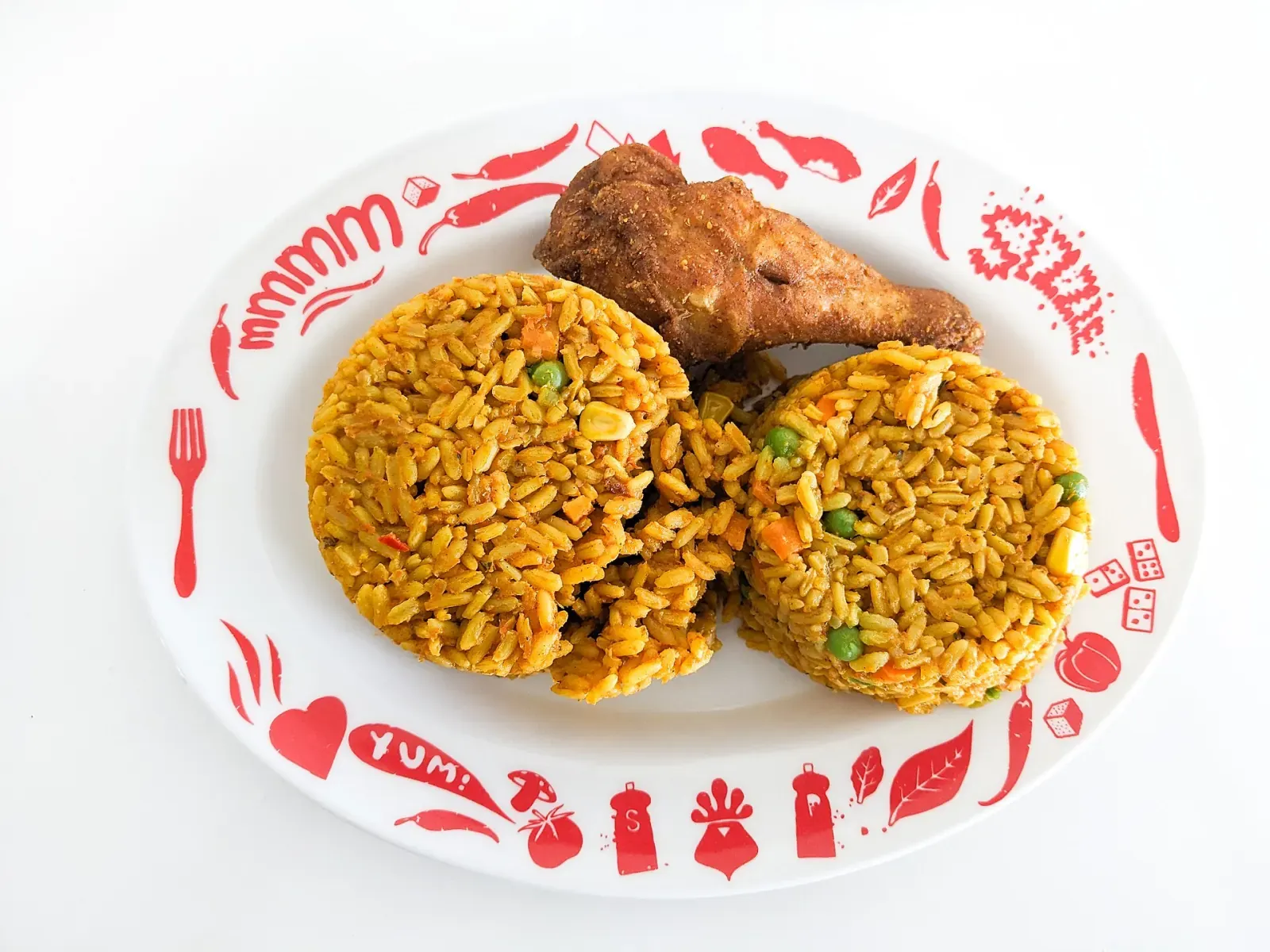
Alongside this, Yenagoa eats like the rest of southern Nigeria. Restaurants list jollof rice, fried rice, swallow with egusi, ogbono or okro soup, grilled chicken, shawarma and pizza, and you can order all of that too. The dishes below are the ones that make the menu feel local.
Banga soup and starch
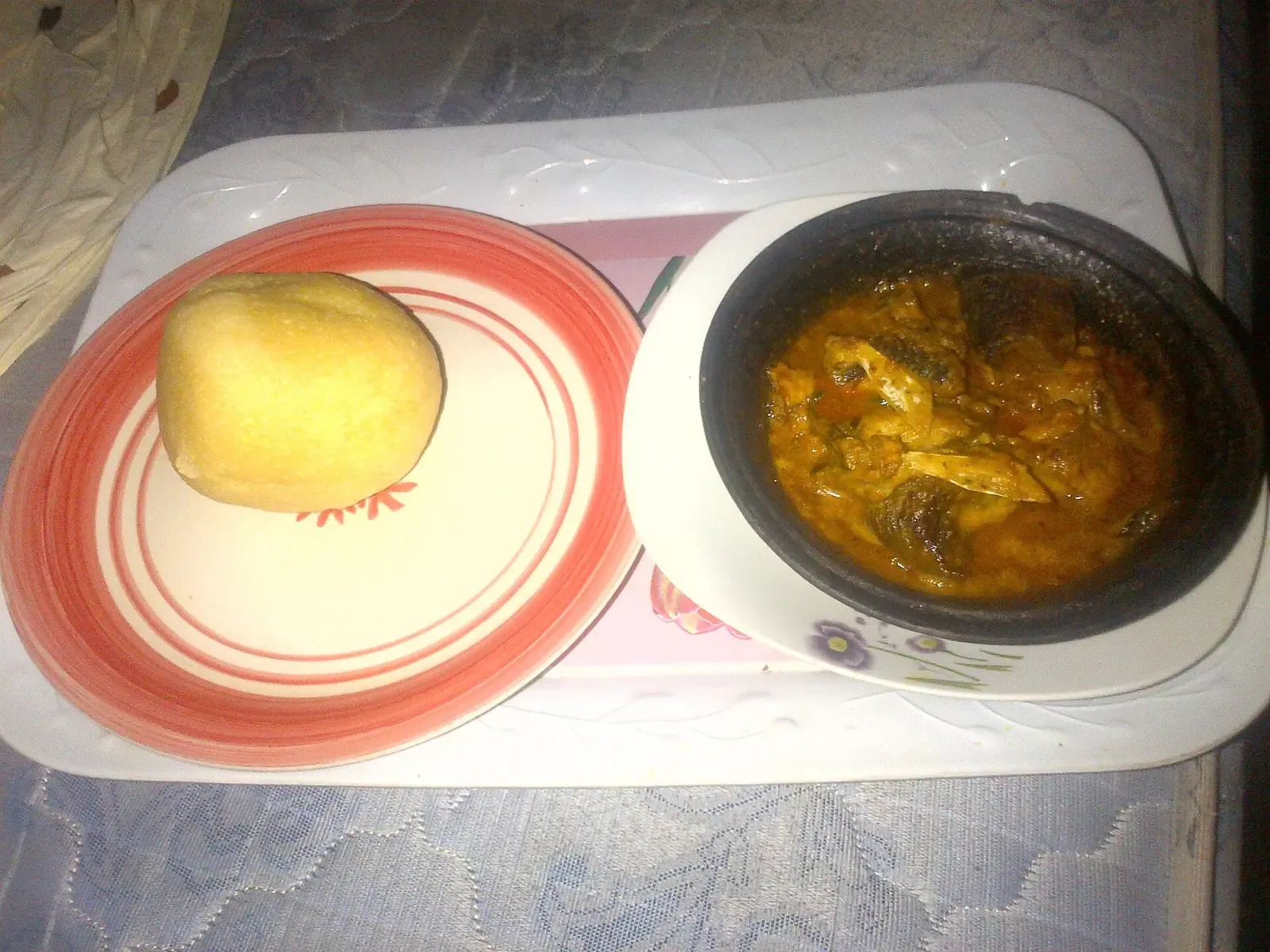
Banga is a palm nut soup. The base is a thick, orange cream pressed from boiled palm fruit, simmered with onions, pepper and a spice mix. It is associated with several Niger Delta peoples, including the Itsekiri, Urhobo, Isoko and Ijaw, and each has its own name and habits for it. In the Niger Delta style you will hear about banga spice, a stick called oburunbebe and a leaf called beletete, which give the soup its particular aroma.
The protein is usually fish (fresh catfish is a classic), dried or smoked fish, sometimes assorted meat, and often periwinkle. The classic partner is starch, a soft swallow eaten by hand and dipped into the soup. Plenty of people also eat banga with pounded yam, eba or fufu, and banga rice is a popular relative.
What to ask when you order: which protein comes with it, whether the fish is fresh or smoked, whether you can choose your swallow, and whether the soup is spicy by default.
Restaurants in Yenagoa listing banga soup on TripChow include Oxbow Lake-View Restaurant and Bar, Berry Bunch and Tina's Shop.
Polofiyai
Polofiyai is often described as the Ijaw comfort food. It is a thick soup made with yam and palm oil: the yam is cooked and mashed so that it thickens the soup and gives it a creamy body. Fresh fish, bush meat or snails go in, and it is seasoned with local spices, usually named as ataiko and gbafilo, plus pepper. It is served at weddings and naming ceremonies, which tells you where it sits in the culture: it is a dish for people you want to welcome.
What to ask: what protein it is made with; how spicy; whether a swallow comes with it (some serve it with fufu).
Kekefiyai
Kekefiyai is a plantain pottage. Unripe plantain is chopped and cooked in palm oil with seafood, commonly prawns, dried fish and periwinkles, then finished with vegetables and a spice such as uziza seed. It is described as a rainy-season dish, a hot pot for wet weather.
It is filling on its own. You do not need a swallow with it.
What to ask: what seafood is in it, and whether it can be made less oily.
Bòlé and fish
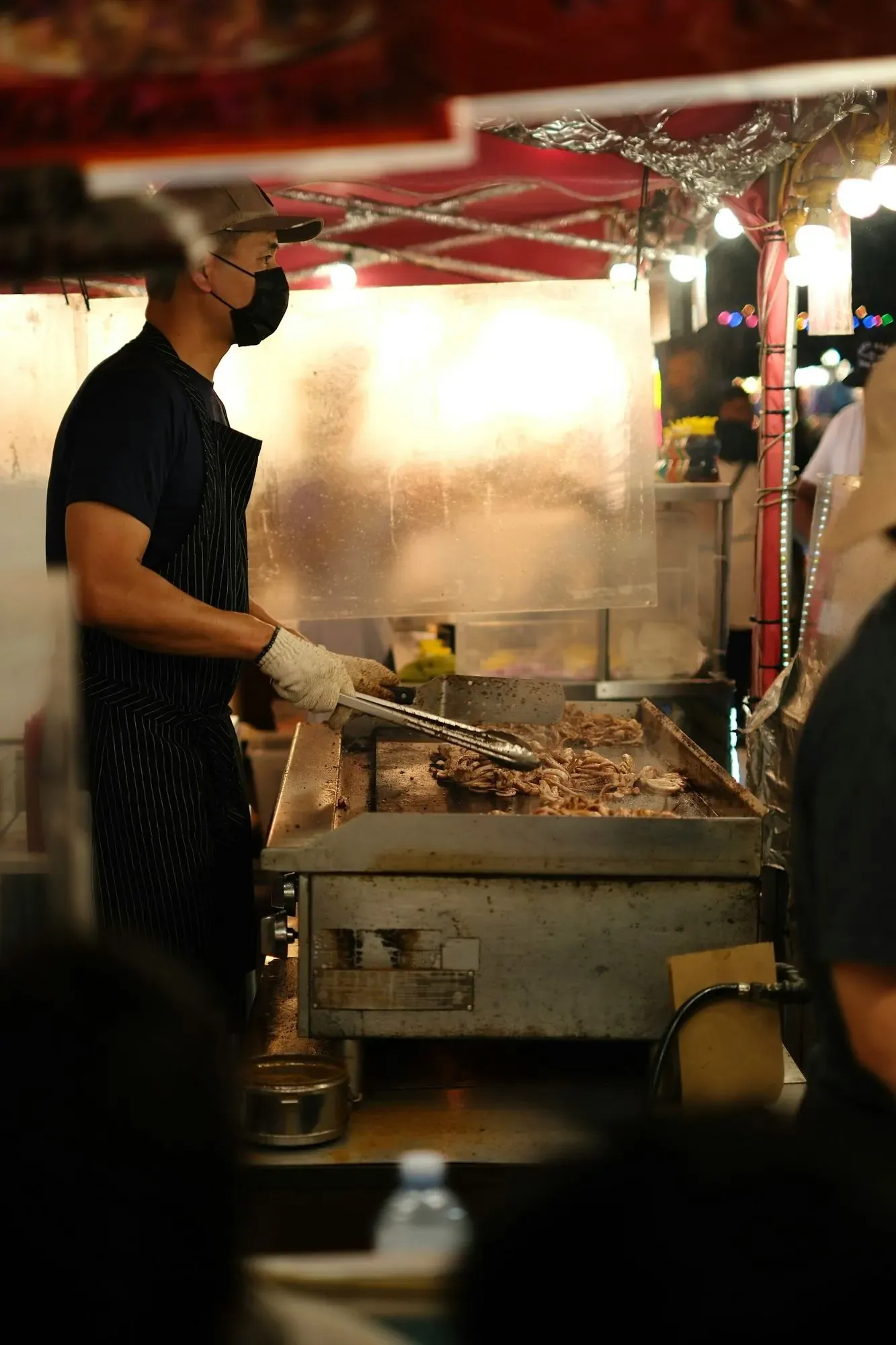
Bòlé is roasted plantain, served with grilled fish and a sharp pepper sauce. It is street food: simple and quick, and sold at markets. A Yenagoa food blogger points to Hospital Junction as a place to find it.
What to ask: ripe or firm plantain; which fish; how hot the pepper sauce is. If you are ordering for delivery, ask that the pepper sauce is packed separately so the plantain does not go soft.
Restaurants in Yenagoa listing bòlé on TripChow include Madam B Bole, Mummy David Bole and Eboms Bole Spot.
Fisherman soup
Fisherman soup is a seafood soup that people connect with the Niger Delta and coastal southern Nigeria. It is lighter than egusi or ogbono. The broth carries a mix of fish and shellfish, commonly catfish, tilapia, prawns, crab, sometimes snails, with dried fish and stockfish for depth, and it is eaten with pounded yam or fufu.
It shows up on menus of restaurants in Yenagoa that serve wider Nigerian dishes as well, so you will not need to seek out a specialist.
What to ask: which seafood is included, whether shells are left on, and how much pepper.
Restaurants in Yenagoa listing fisherman soup on TripChow include Oxbow Lake-View Restaurant and Bar, Tina's Shop and Regina Spot.
Kabari fulo and onunu
Two more names you may meet at celebrations and in Ijaw homes.
Kabari fulo is described as a spicy seafood stew in a red palm oil base, with fish, periwinkles, shrimp and sometimes crab, associated with festive occasions and eaten with fufu, yam or rice.
Onunu is a smooth mash of boiled yam and unripe plantain that is served with rich soups. It is mild on purpose, so it takes the flavour of what you pour over it.
These are less likely to appear on an everyday delivery menu than banga or fisherman soup. If you see them, they are worth trying, and you can also ask a restaurant whether it can prepare them for a group order.
Pepper soup and grilled fish
Fish pepper soup and grilled catfish are on plenty of Yenagoa restaurant menus, often served with yam or plantain. They are not exclusive to Bayelsa. Pepper soup is thin, hot and aromatic and lighter than most soups on the menu.
Restaurants in Yenagoa listing pepper soup or grilled fish on TripChow include Oxbow Lake-View Restaurant and Bar, Tina's Shop and Regina Spot.
How to order a dish you have never had
- Start with one soup and one swallow. Banga with starch, or fisherman soup with pounded yam, is a good first choice.
- Read the description, then read the options. The protein and the swallow are often separate choices.
- Say it in the notes. Less pepper, no bones, sauce packed separately: use the order notes field.
- Order for two if you are unsure. Soups are meant to be shared.
- Check the restaurant's rating and hours before you commit.
- Rate the dish afterwards. It helps the next person and tells the restaurant what works.
If you are introducing someone to Bayelsa food
For a first meal: banga soup with starch, a plate of bòlé and fish on the side, and pepper soup for anyone who likes heat. If they do not eat fish, ask each restaurant what alternatives it has; do not assume.
Ordering for a group? The office lunch guide explains how to run a group order so everyone can choose.
For the how-to of ordering itself, start with food delivery in Yenagoa.
Frequently asked questions
What is banga soup?
Banga is a palm nut soup made from the cream of boiled palm fruit, simmered with fish or meat and a spice mix. It is closely associated with the Niger Delta, including Ijaw communities, and is usually eaten with starch, though eba, fufu and pounded yam are also common.
What is polofiyai?
Polofiyai is an Ijaw soup made with mashed yam and palm oil, with fish, bush meat or snails and local spices. It is often served on celebration occasions.
What is bòlé?
Bòlé is roasted plantain served with grilled fish and pepper sauce. It is a popular street food in the Niger Delta.
Can I order these dishes for delivery in Yenagoa?
That depends on which restaurants list them. Search the dish name in the TripChow app or on the Yenagoa page.