When you order food and it arrives, you see a rider for less than a minute. What you do not see is the rest of the journey: reading an address, waiting at a counter, riding through traffic and rain, finding a gate in the dark, and calling a customer who is not answering.
This guide is for anyone in Yenagoa thinking about becoming a food delivery rider. It says plainly what the work involves, what you will need to have in place and how to stay safe. It does not quote earnings, because we will not promise what we cannot guarantee, and the details of how riders are paid belong in the rider terms, not in a blog post.
What the job is
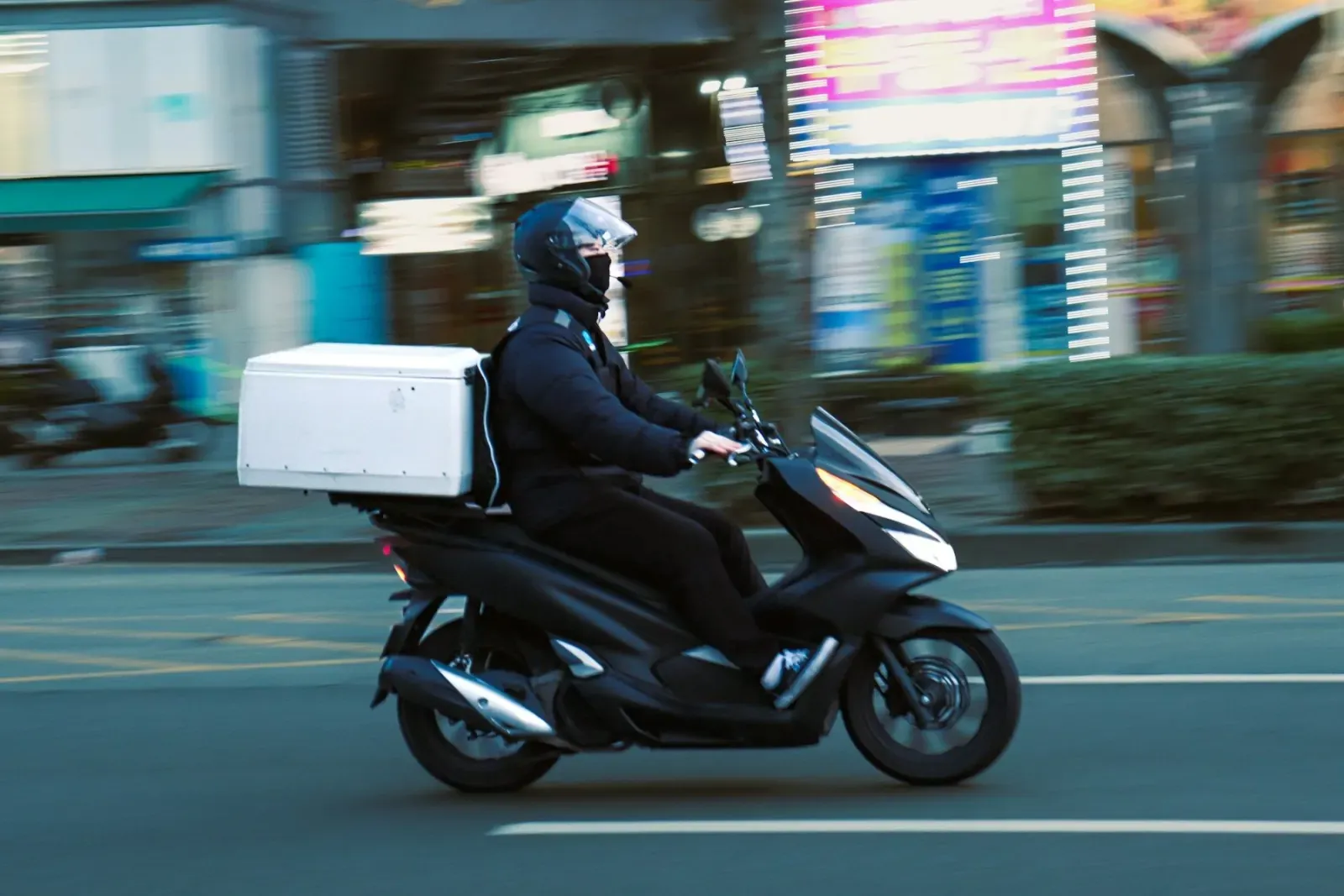
A food delivery rider collects a cooked order from a restaurant and brings it to a customer's address, safely and while it is still in good condition. Most of the time this is done on a motorcycle. The app tells you what to collect and where to take it, and the customer sees your progress.
At its core the job is three things: be reliable, be careful and be polite. Speed matters, but arriving late with the right food beats arriving quickly with the wrong one, or with an accident on the way.
How an order works for a rider
The details below describe the general shape of a delivery. The rider app and the exact steps are set by TripChow, so treat this as an outline.
- You go online in the rider app when you are ready to work.
- An order is offered to you, or assigned to you by dispatch, showing the restaurant, the destination and the details you need. When it is offered you can accept or decline it.
- You ride to the restaurant and collect the order. Check it against the ticket before you leave.
- You update the status in the app as you collect and deliver.
- You ride to the customer. Your location is shared while you deliver, so the customer can follow the order.
- You hand over the food, confirm delivery in the app.
- You wait for the next order or go offline.
Customers can rate the delivery, so how you treat people matters.
What you will need
TripChow asks for four things to approve a rider:
- A government ID.
- A selfie.
- A vehicle document.
- A riding licence.
A few practical things make the job easier, though they are not part of that list:
- A smartphone that can run the rider app, with data.
- A crash helmet, for you and for any passenger. In Nigeria, the traffic regulations require motorcyclists and their passengers to wear a helmet, and a motorcycle may carry only one passenger. Wearing one is not optional.
- A delivery bag or box suitable for hot food.
- Knowledge of the area. You do not need to know every street, but you should be able to read a map and find places from a landmark.
- A reachable phone number, which the restaurant and the customer will use.
TripChow's own rider terms are on the rider terms page. Read them before you sign up.
Rules for the road
- Wear your helmet, fastened. Every trip.
- Follow traffic rules and signs. A late delivery is a smaller problem than a crash.
- Ride to the conditions. Rain makes roads slippery, and it rains a great deal in the Niger Delta; ride more slowly than you think you need to and leave more distance.
- Do not use your phone while riding. Stop at a safe place to check the app.
- Keep the vehicle in order: brakes, tyres, lights, chain, horn.
- Local rules: check whether there are restrictions on commercial motorcycles or delivery hours in the area where you ride.
- Fuel and maintenance. On a TripChow-owned bike, TripChow covers fuel and maintenance, unless a partnership or employment agreement says otherwise. If you ride your own bike, you cover all the running costs yourself.
Staying safe personally
- Tell someone your work hours and the areas you cover.
- Keep the phone charged and carry a power bank if you can.
- Use well-lit routes at night and be extra careful at junctions.
- If a pick-up or drop-off feels unsafe, use Help and Support in the rider app and follow the guidance.
- Do not accept cash payments or give personal account details for "delivery fees" outside the app. If a customer asks, refuse and tell support.
- Report accidents and incidents to support.
Professional habits that matter
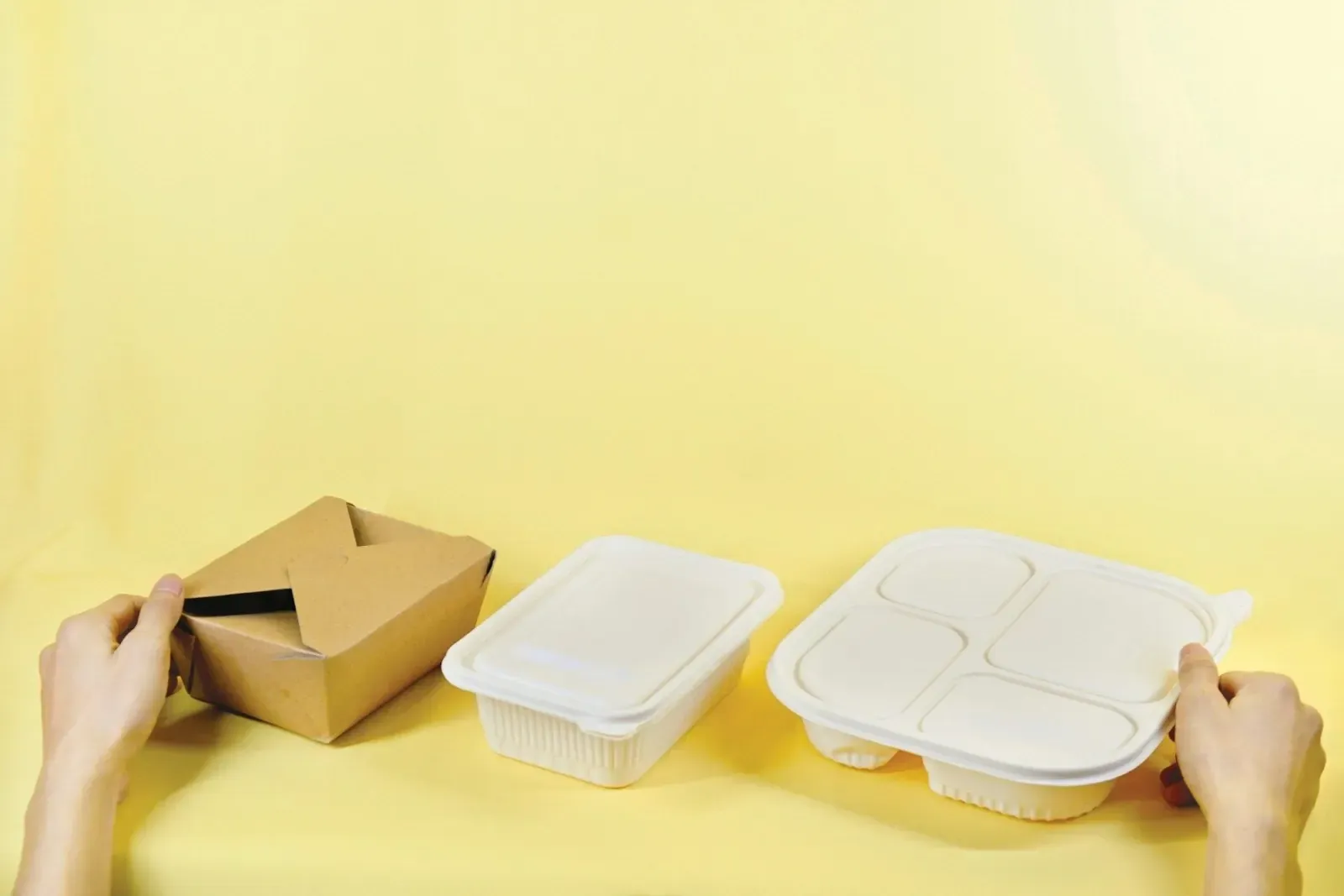
- Check the food before leaving the restaurant: the right order, the sealed packs, the extra sauces.
- Keep the bag flat and upright, and avoid putting food near anything that leaks.
- Read the delivery notes and use the pin and landmark. If it is not enough, call the customer before you ride further.
- Be polite. A calm voice and a clear "I am at the gate" help a lot.
- Be on time for the restaurant. Waiting there is time not delivering.
- Do not open bags or take food.
- Report problems early: a closed restaurant, a wrong address or a long queue.
Restaurant owners appreciate riders who arrive promptly and check orders; see the restaurant guide to understand how the restaurant side works. Customers who order in the evening rely on clear communication too; the evening ordering guide explains what they are told to do.
How to apply
The rider page on the TripChow website explains how to apply, and you can apply online with the rider application. Have your government ID, riding licence and vehicle document ready, and a selfie.
TripChow reviews each application. If it is approved, you can go online in the rider app.
Keep in mind that TripChow currently operates in Yenagoa and Amassoma.
What this job is not
It is not a job with a fixed pay promise in a blog post. It depends on how many orders you take, when you ride, your costs and TripChow's rules. Do the sums for yourself with real information from TripChow before you commit, especially if you would ride your own motorcycle. Ask TripChow for the current payment terms through the contact page.
Frequently asked questions
What do I need to become a delivery rider in Yenagoa?
TripChow asks for four things: a government ID, a selfie, a vehicle document and a riding licence. Check the rider page for the latest.
Do I have to wear a helmet?
Yes. Nigerian traffic rules require motorcyclists and their passengers to wear helmets, and TripChow's rider terms may add to this.
How are riders paid?
How you are paid is set out in the rider terms and in your rider agreement. The rider app shows your earnings, and you can request a withdrawal from the app. No amounts are quoted here; ask TripChow for the current payment terms.
Can I ride with my own motorcycle?
Yes. If you ride your own bike, you cover all the running costs yourself. On a TripChow-owned bike, TripChow covers fuel and maintenance, unless a partnership or employment agreement says otherwise.
Where can I start?
Read the rider terms, then use the contact route on the rider page.